Ancient ruins, wild wetlands and quiet lakes, all within a day’s reach
Rome is famous for its monuments, but it is also a surprisingly good base for birdwatching. In the city itself, parks, ruins and the Tiber shelter a lively birdlife, and within one to two hours by road you can reach coastal wetlands, salt pans, lagoons and lakes that rank among the best in central Italy. With a guide who knows where and when to go, a morning among reedbeds or flamingos fits easily between a visit to the Colosseum and dinner in Trastevere.
Birds among the monuments
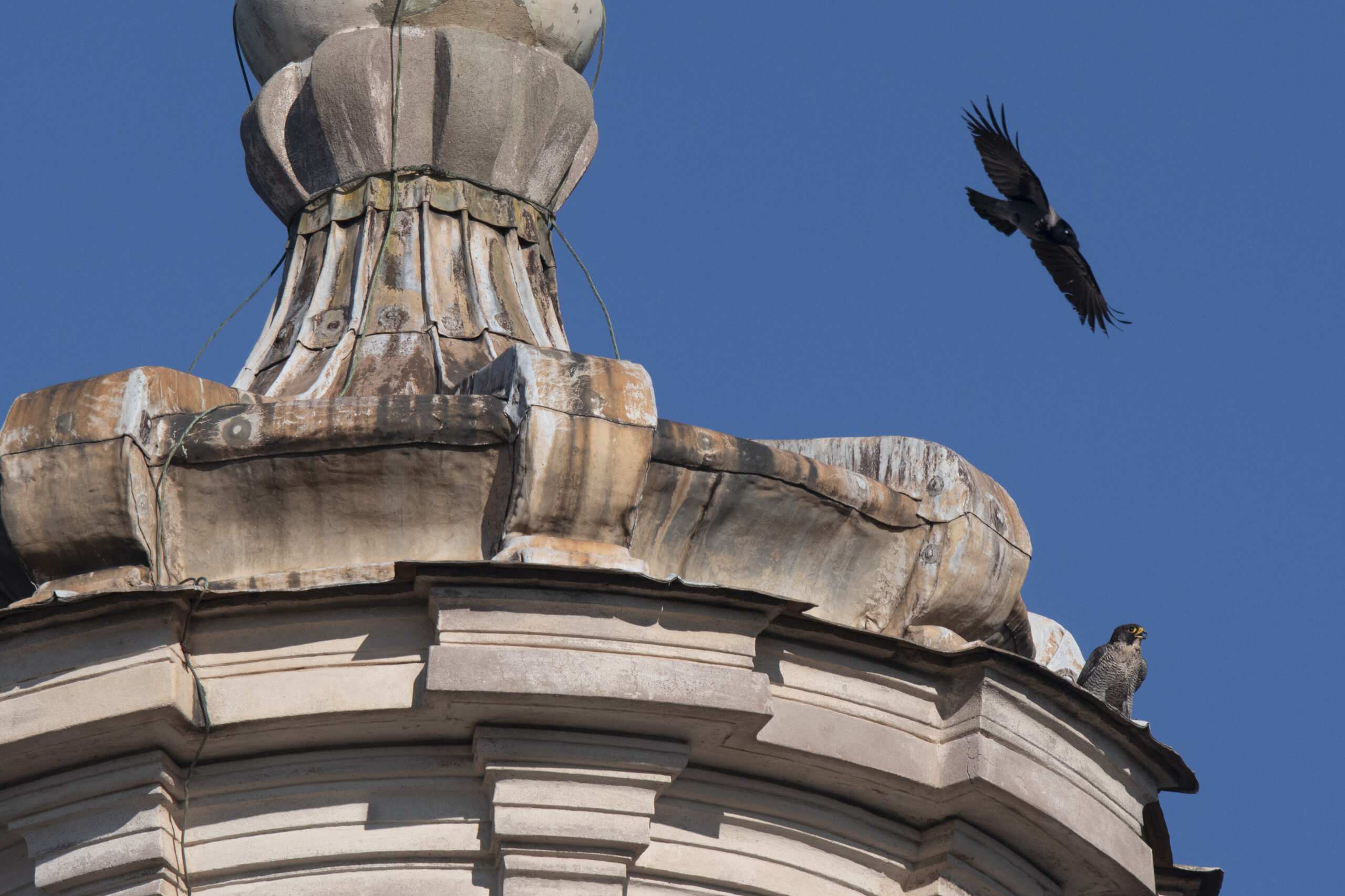
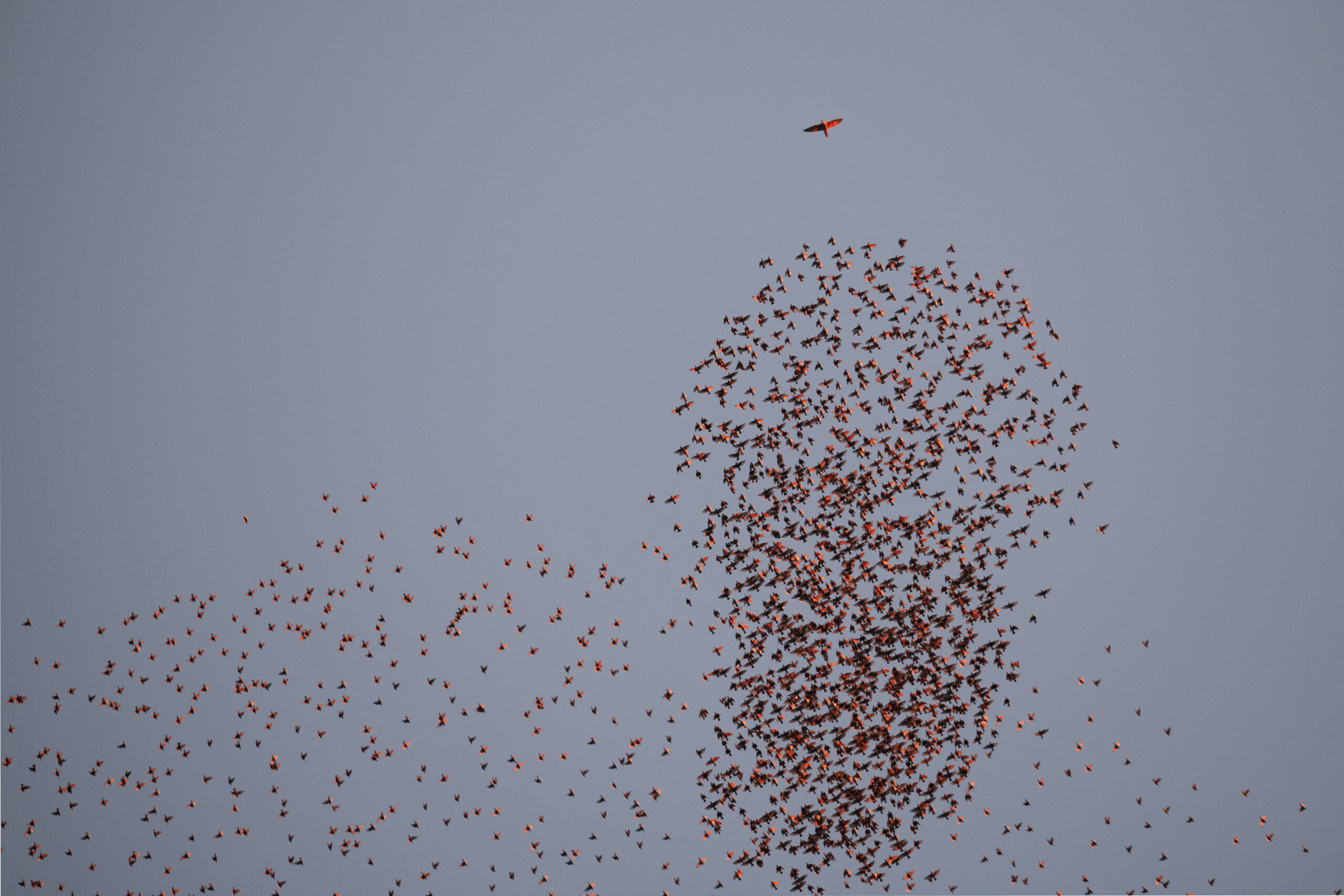
Even in the historic centre, Rome holds more wildlife than most visitors expect. Peregrine falcons nest on tall buildings and ruins and stoop after pigeons above the rooftops, while swifts race screaming around domes and towers on summer evenings. The great historic parks, such as Villa Borghese, Villa Doria Pamphili and the Appia Antica Regional Park, host woodpeckers, warblers and noisy feral parakeets, and are good places to meet the Italian sparrow, a species found almost only in Italy. Along the Tiber, herons, cormorants, gulls and the occasional kingfisher follow the river through the city, while old walls and ruins attract specialists such as black redstart and blue rock thrush. In winter the real spectacle begins at dusk, when vast flocks of starlings gather to roost in the city’s trees and swirl in dense murmurations over the rooftops.
Coastal wetlands and salt pans: Tarquinia and the Maremma
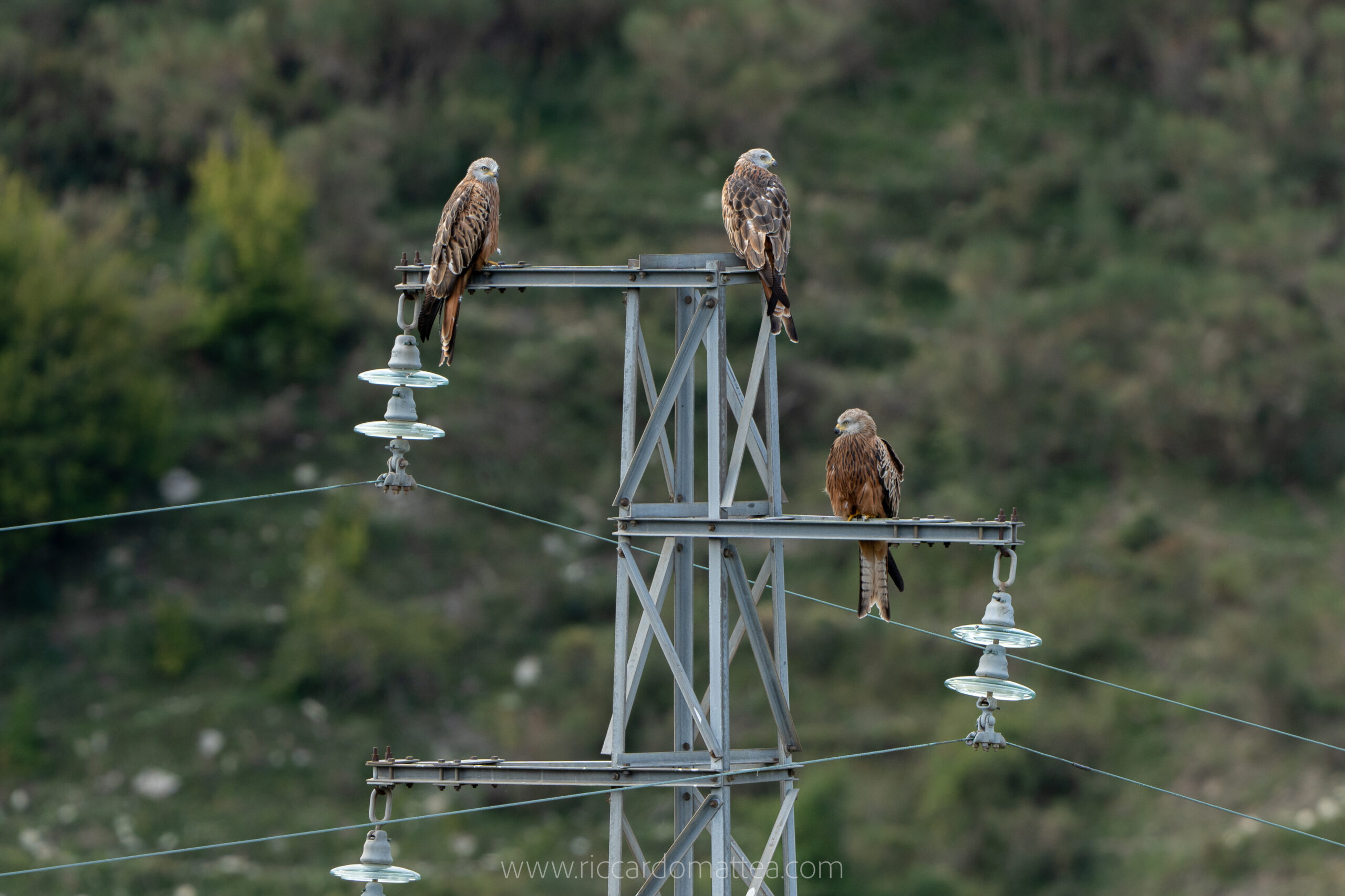
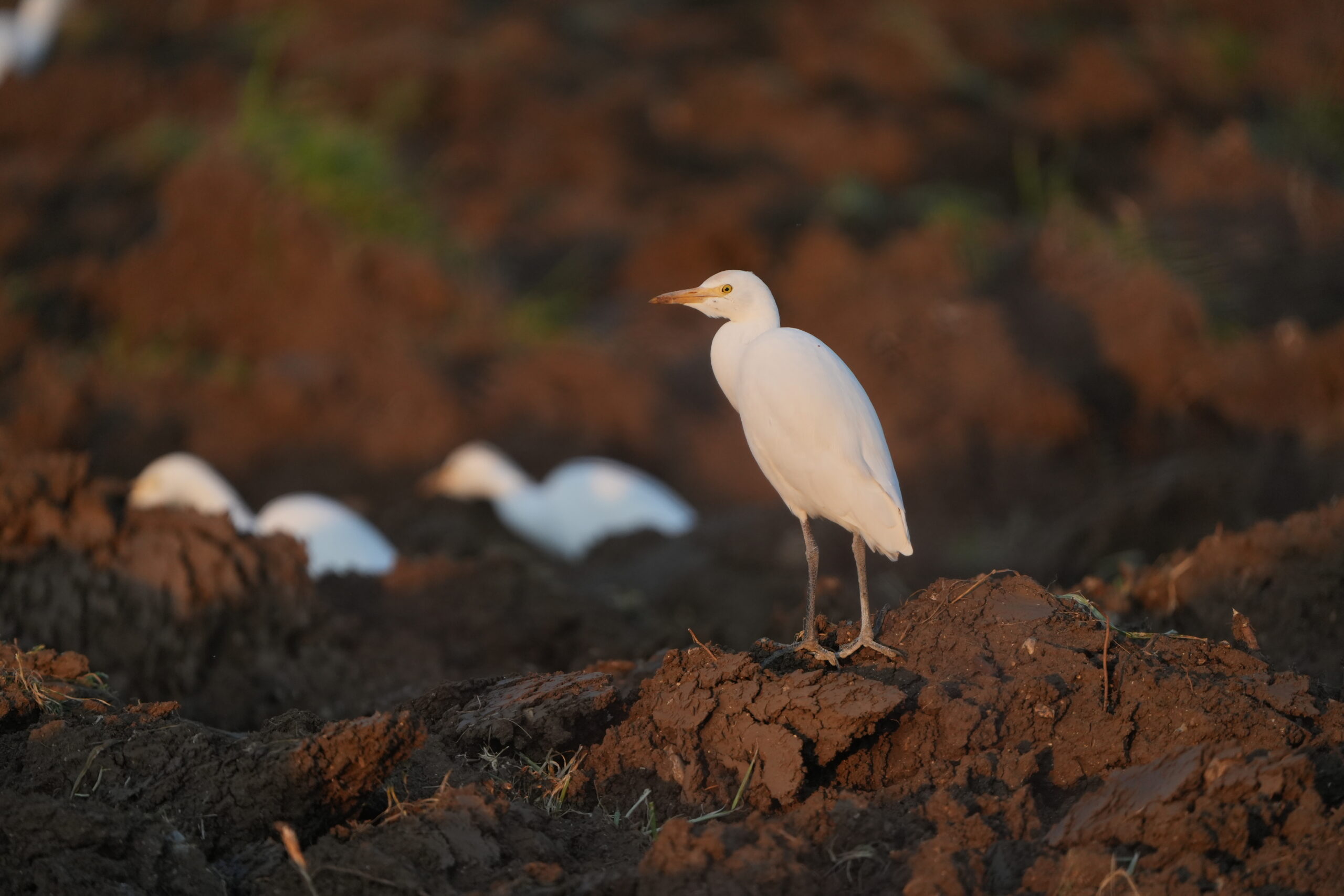
North of Rome the coast turns into a landscape of salt pans, lagoons, marshes and pinewoods that changes with every season. The salt pans of Tarquinia, a little over an hour from the city, are a paradise for waders: greater flamingos, black-winged stilts, avocets and Kentish plovers feed in the shallow water with terns and gulls overhead, and in spring and autumn migrating shorebirds add new species almost daily. Further north, the Maremma stretches across dunes, marshes and woodland, where rollers, bee-eaters and hoopoes brighten the summer while marsh harriers, herons, spoonbills and glossy ibis work the wetlands. Winter brings ducks, waders and flamingos, often under a soft, golden light that photographers love.
The Tiber valley: Alviano and Lake Trasimeno
About an hour and a half from Rome, the lake and reserve of Alviano form one of central Italy’s most important wetlands. Reedbeds, shallow water and riverside woods create a patchwork of habitats where, in spring and summer, purple herons, night herons, little bitterns and great reed warblers breed, while ferruginous ducks and pygmy cormorants are among the rarer species to look for. In winter the lake fills with ducks, grebes and cormorants, and marsh harriers quarter the reeds. For a longer day, or a longer stay, Lake Trasimeno, the largest lake in central Italy, offers another world of open water, reedbeds and wintering waterfowl.
When to go
Birding around Rome is rewarding all year, but each season has its own character. Winter is the time of the starling murmurations in the city and of ducks, waders and flamingos on the coast and lakes. Spring brings the peak of migration, with waders, warblers and raptors passing through and the first breeding herons, bee-eaters and rollers. Summer favours early-morning outings in the wetlands, before the heat, and the evening swifts over the city. Autumn is the season for returning waders and migrating raptors, with mild days and beautiful light on the salt pans and lakes.