The green heart of Italy, from wetlands and gorges to Apennine peaks
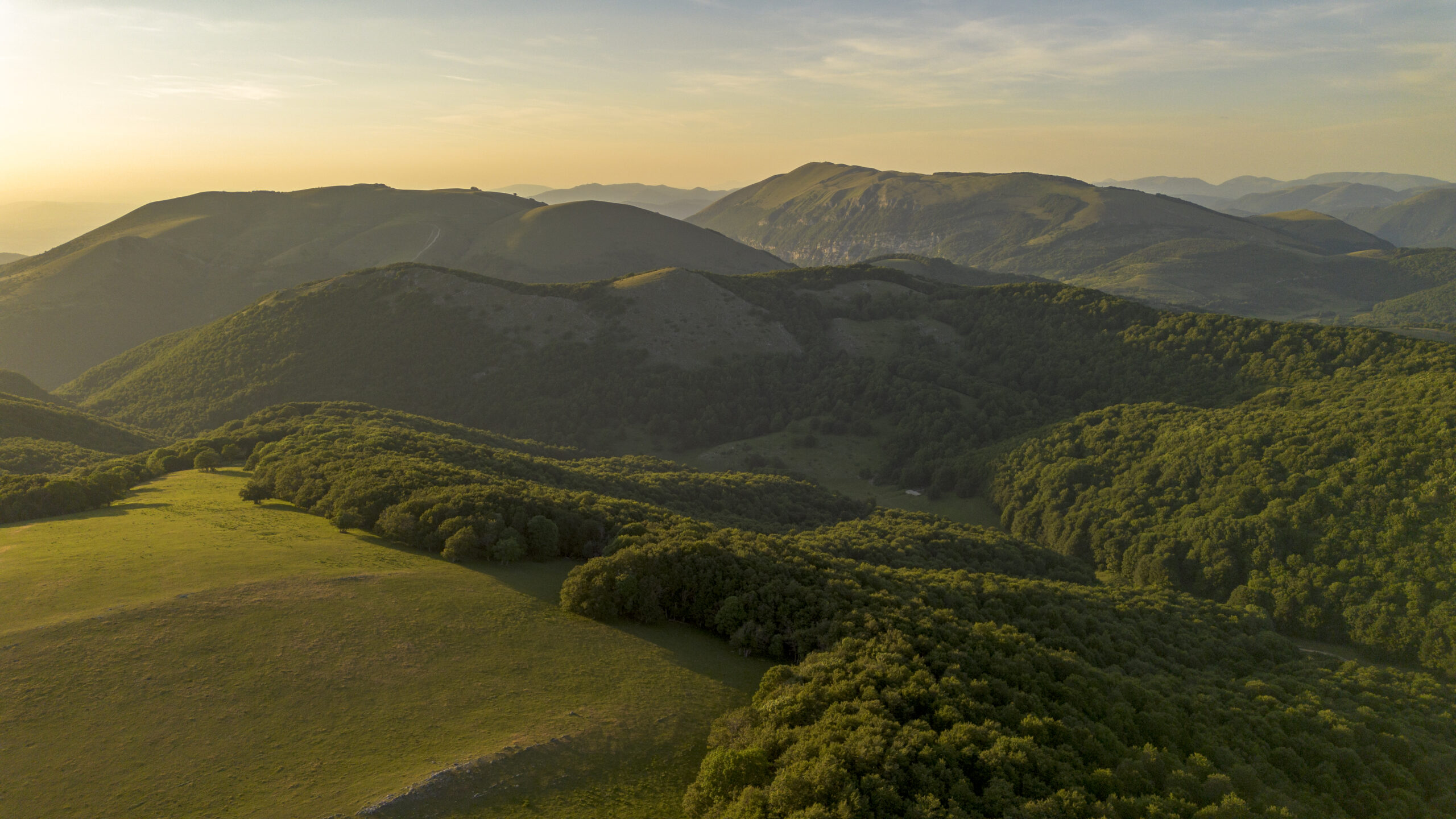
Umbria, the green heart of Italy, lies between Rome and Florence and packs an unusual variety of habitats into a small area: lakes and marshes along the Tiber, river gorges cut through limestone, hillside olive groves, oak and beech woods and, in the east, the high grasslands and rocky crests of the Apennines. Very different birds live within an hour or two of each other, and between one outing and the next you can wander through medieval hill towns and enjoy some of the best food in Italy. Orvieto, Assisi, Perugia, Montefalco and Terni offer strategic positions with access to great birding spots.
Lakes and wetlands
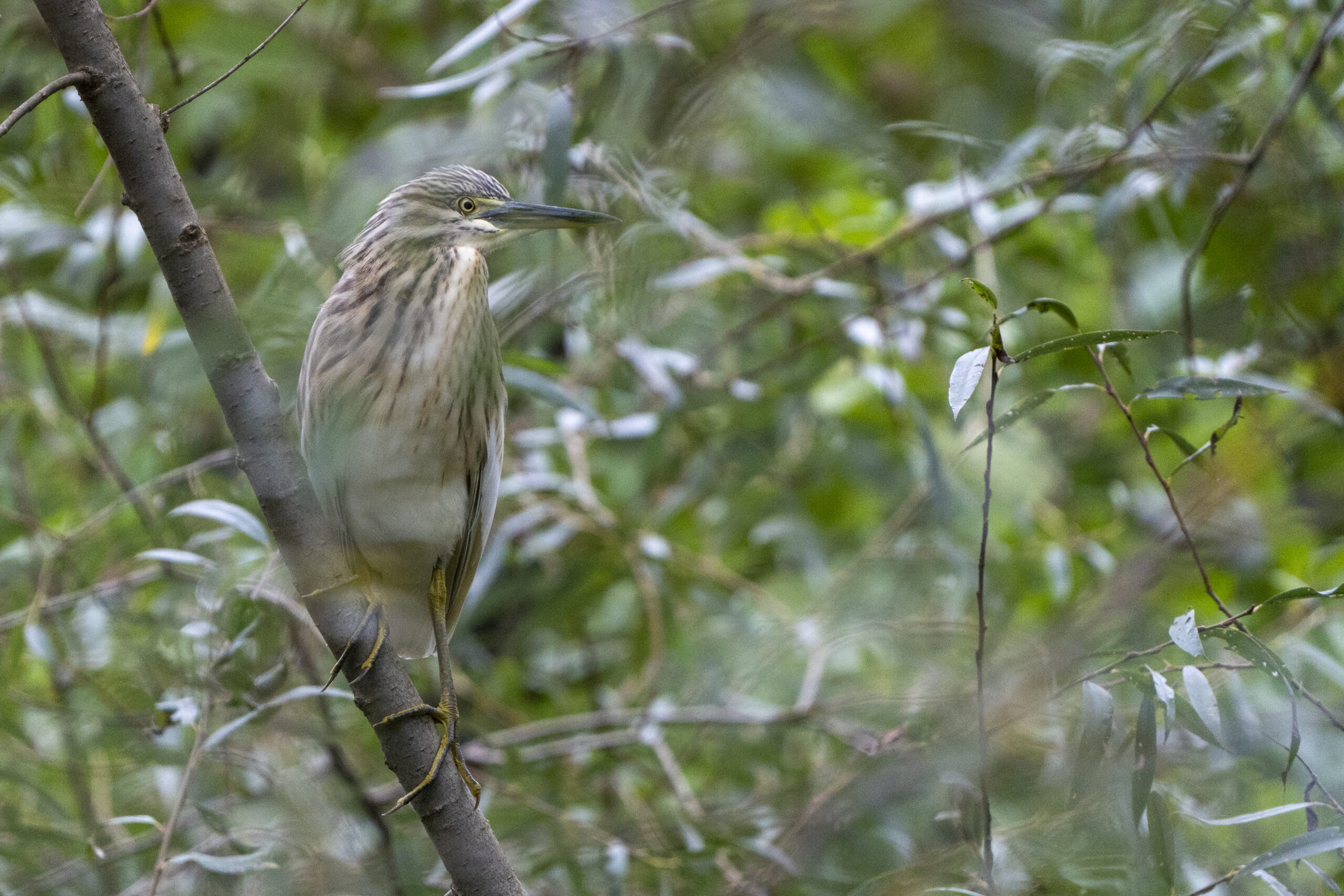
The Tiber and its lakes are the natural starting point. Alviano, born where a dam slowed the river into a broad wetland and now protected as a WWF oasis, is best explored from its hides and trails: in spring a noisy heron colony fills the trees and the reedbeds echo with warblers, passing ospreys and black terns stop to fish during migration, and in winter the open water is crowded with ducks, grebes and cormorants. Further north, Lake Trasimeno, the largest lake in central Italy and just over an hour from Florence, is shallow and fringed by reeds, olive groves and small islands, ideal for a gentle walk with a telescope. Great crested grebes, coots and diving ducks are easy to see, and with a little luck spoonbills and, occasionally, flamingos turn up. In the south, the smaller lake near Narni or Colfiorito rewards a quiet visit with ferruginous ducks and kingfishers.
Gorges and hills of southern Umbria
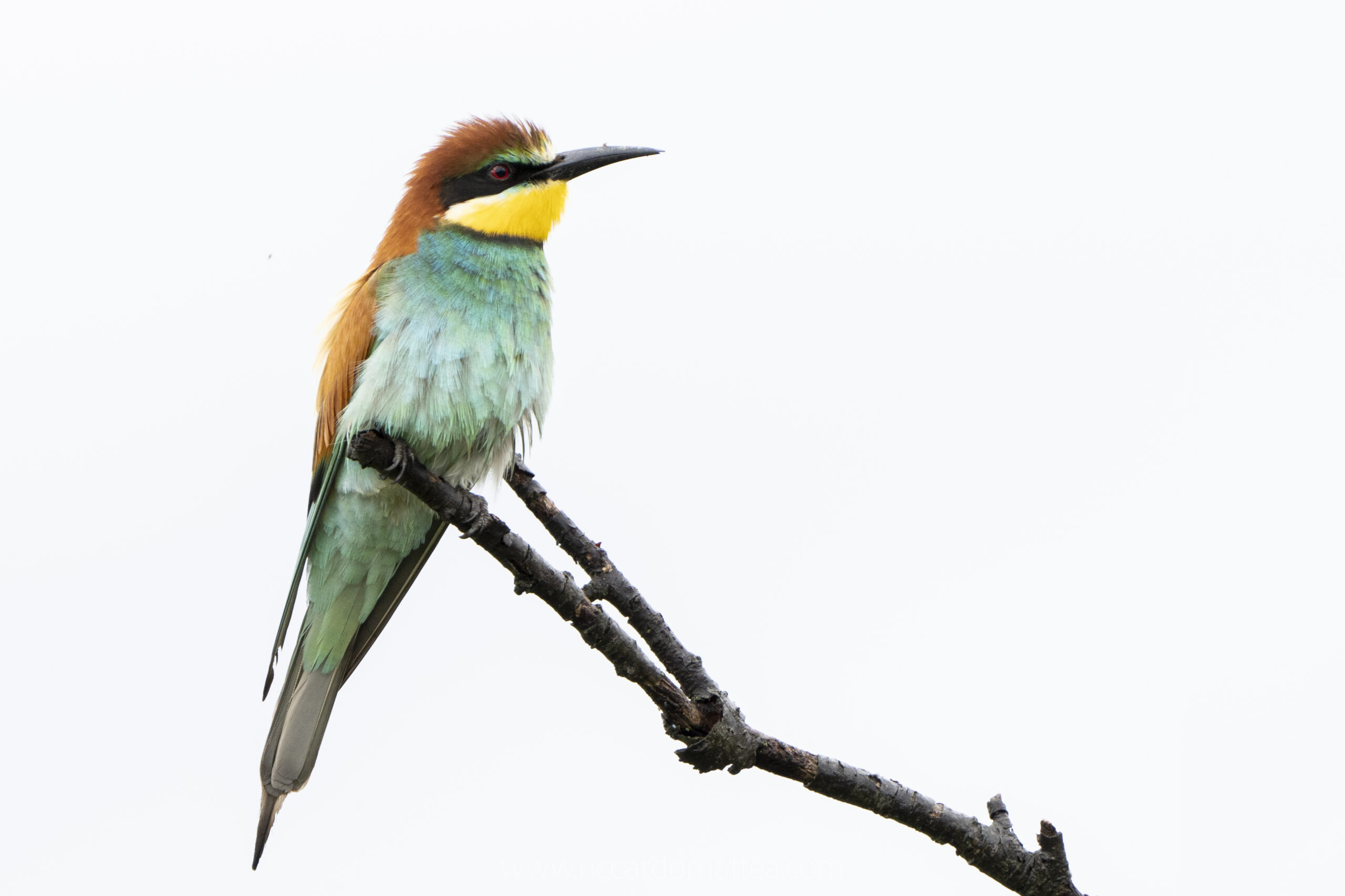
Southern Umbria is a different world. The Valnerina and the Nera River cut deep valleys between limestone cliffs where golden eagles, peregrine falcons and ravens nest, while the clear, fast streams below are home to the white-throated dipper and the grey wagtail. In winter, cliffs and gorges may also attract the wallcreeper. The farmland and olive groves of the Terni basin hold black kites, turtle doves, hoopoes and bee-eaters in the warm months. From April the short-toed snake eagle, back from Africa, can be seen scanning sunlit slopes for snakes.
The Sibillini and Piano Grande
In the east, the Umbrian side of the Monti Sibillini National Park rises to high plateaus, open slopes and limestone crags. The Piano Grande di Castelluccio, a vast plain famous for its flowering in late spring and early summer, is home to skylarks, northern wheatears and other open-country birds. The rock faces and ridges around it shelter golden eagles, peregrine falcons, choughs and rock partridges, and in winter the wallcreeper descends to lower cliffs. Apennine chamois and wolves share these mountains, which makes a day here a true wildlife experience and not only a birding one.
When to go
Umbria is rewarding all year, with a different focus each season. Winter is the time for Alviano and Trasimeno, when ducks, grebes, cormorants and raptors gather, and for wallcreepers on cliffs and gorges. Spring brings migration, breeding herons and warblers, the return of the short-toed snake eagle and, in early summer, the flowering of Piano Grande. Summer belongs to the mountains, best explored early in the morning, while autumn is the season for migrating raptors and waders, with beautiful colours in the woods and around the lakes.
Explore Umbria with zoologists and wildlife photographers
We are zoologists, naturalists and wildlife photographers, and we know Umbria’s lakes, valleys and mountains extensively: not only the famous reserves, but also the quieter corners where wildlife is at its best. Umbria is easy to reach from Rome and Florence, and our day tours are shaped around the season, your target species and your pace. For a deeper experience, we design tailor-made multi-day trips that link lakes, valleys and mountains, leaving time for hill towns and local food.
Tell us when you will be in Umbria, and we will suggest the best place for the season.