From alpine ridges to wild Mediterranean coasts, a journey searching for birds
Italy is one of Europe’s most rewarding birdwatching destinations, and one of the most surprising. It lies in the Mediterranean biodiversity hotspot, is crossed by the Alps and the Apennines, and is wrapped by almost 8,000 km of coastline. More than 500 bird species have been recorded here, from high-mountain specialists to colourful Mediterranean birds. Add medieval villages, superb food and easy travel, and you have a birding trip like no other.
Why choose Italy?
Italy’s geography makes the difference. Distances are short and landscapes change fast: in a few hours you can move from alpine grasslands to beech forests, river plains and sunlit coasts, so even a short trip can deliver a remarkable variety of species. The country also sits on one of the main migration flyways between Europe and Africa. In spring and autumn raptors, storks, waders and songbirds pass through in large numbers, while in winter lagoons and wetlands fill with waterbirds.
Birdwatching here rarely stops at birds: the same valleys where golden eagles soar, shelter wolves, chamois and ibex and are dotted with ancient villages and local food traditions, so a day in the field fits naturally into a classic Italian trip.
Four landscapes, many lifers
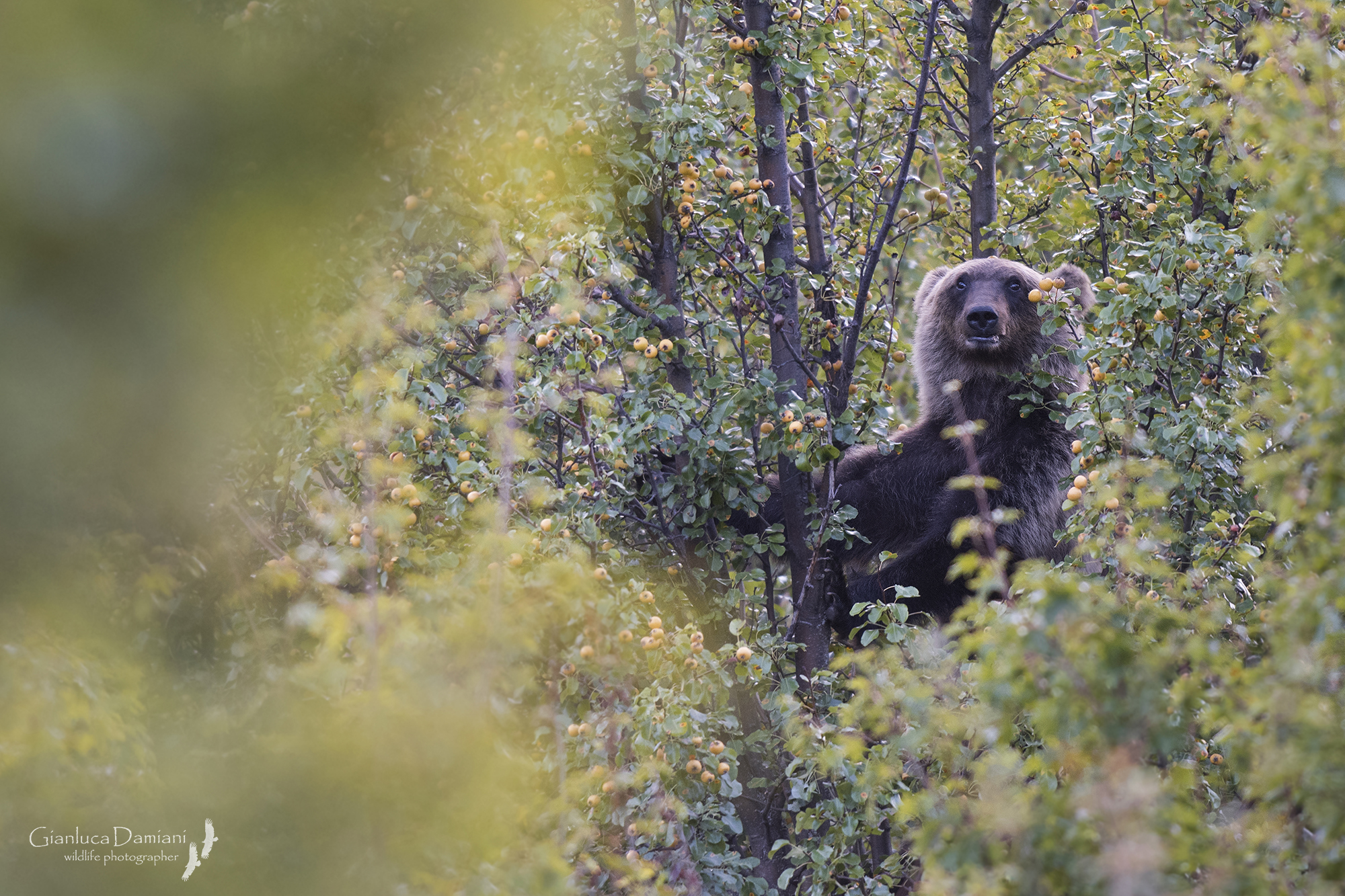
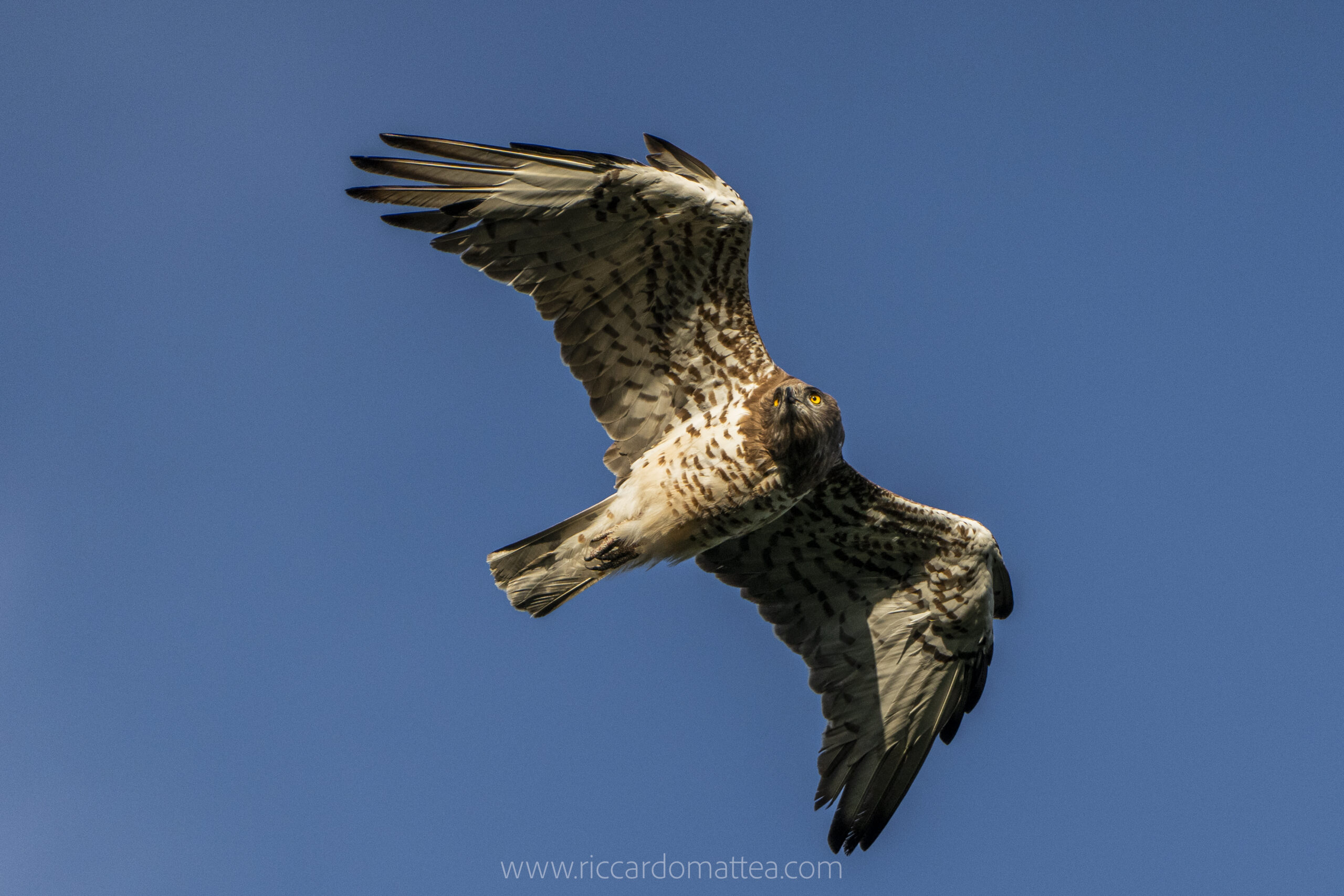
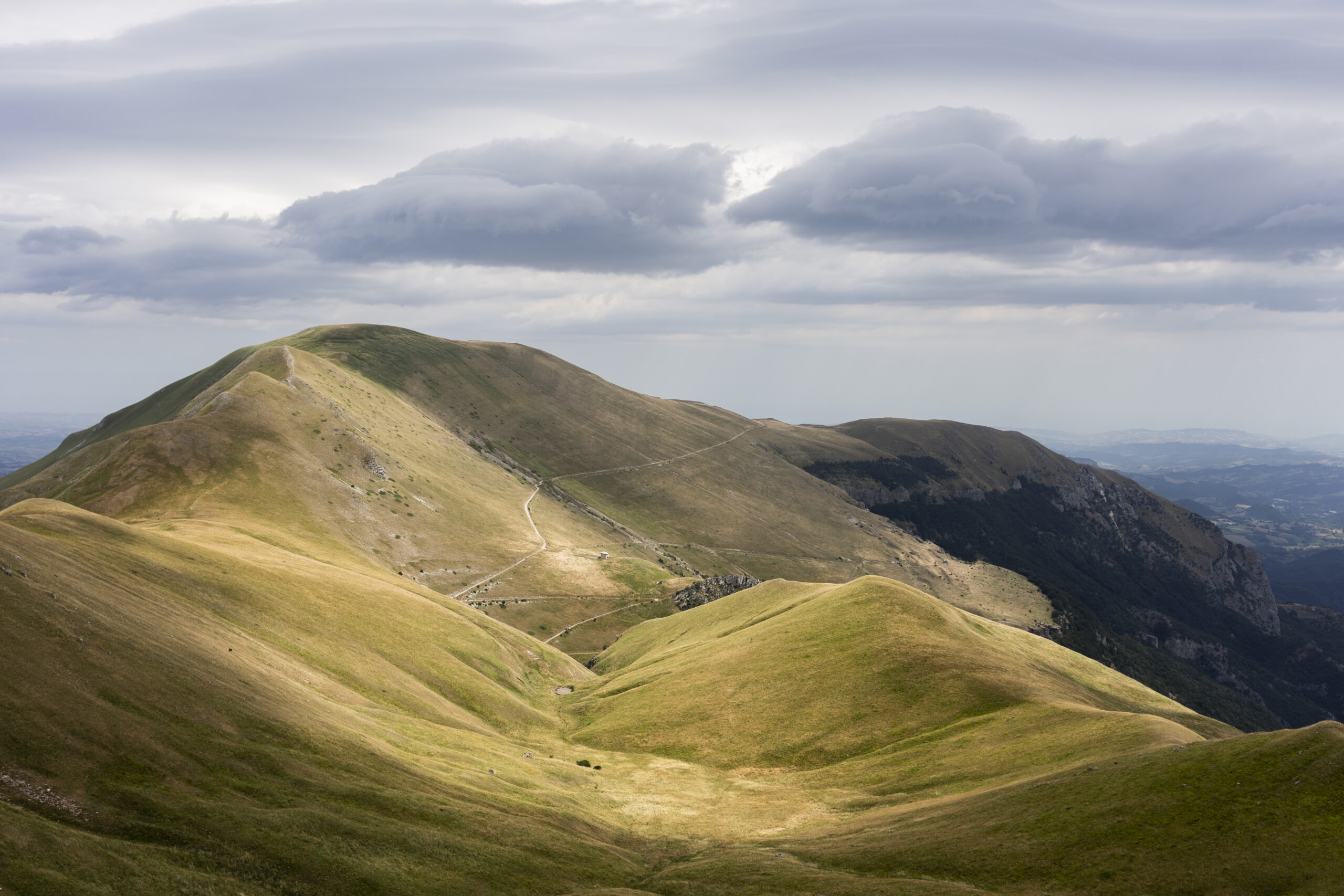
The rock faces of the Alps and Apennines hide one of Europe’s most coveted birds, the wallcreeper, which flutters like a crimson-winged butterfly across vertical cliffs and, in winter, often descends to gorges, quarries and even old castle walls. Above the Alpine treeline, rock ptarmigan, Alpine chough and snowfinch share the ridges with golden eagle and black grouse, while the lammergeier, once extinct here and now back thanks to reintroduction, glides on wings spanning up to 2.8 metres. The Apennines run for over 1,000 km along the spine of the peninsula, with beech woods, high plateaus and deep gorges where rock partridge live alongside Apennine chamois, wolves and brown bears. On the sunlit slopes below, the short-toed snake eagle returns from Africa in spring and can be seen until early autumn, hovering motionless over open ground as it scans for snakes.
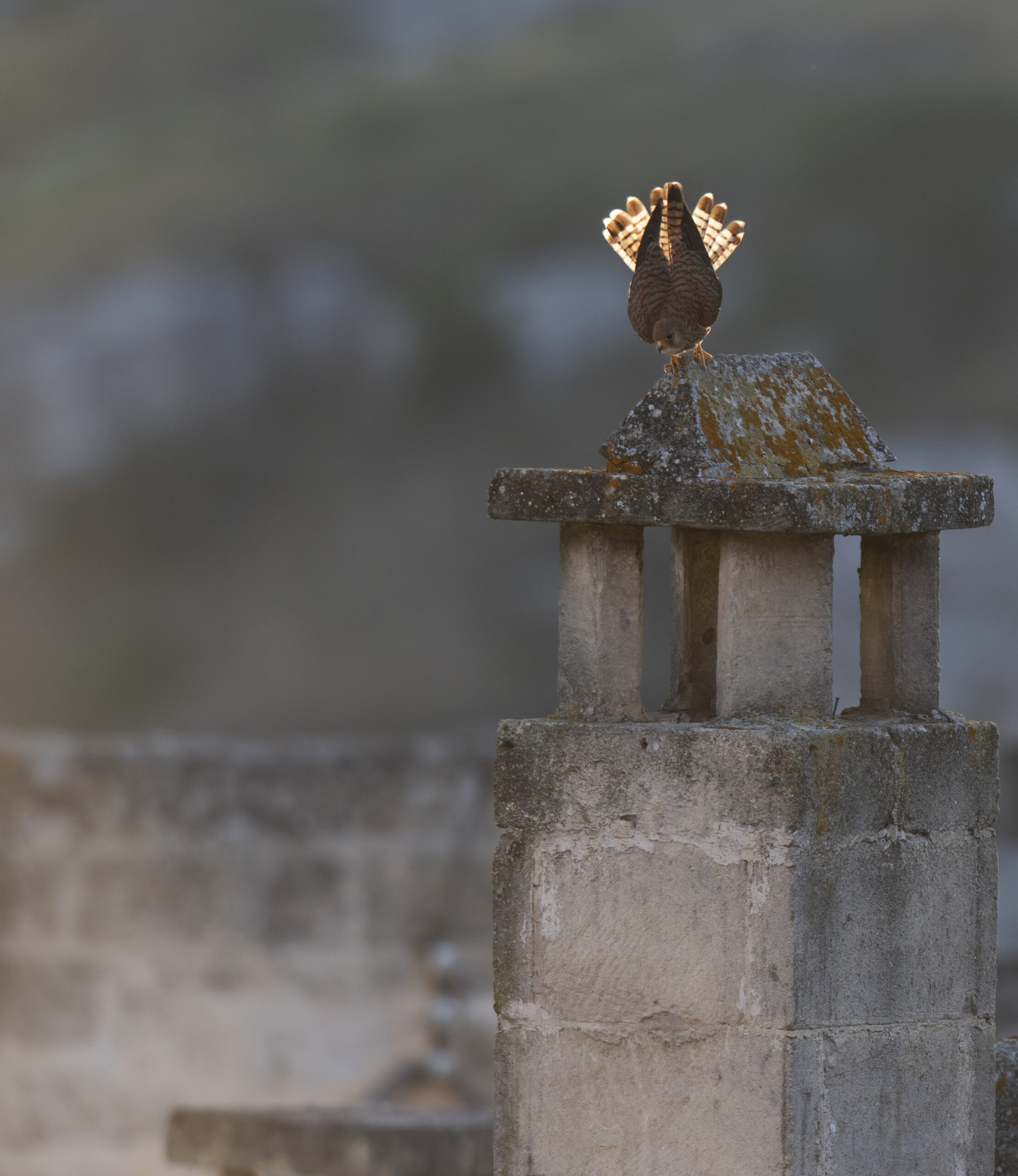
Below the mountains, rivers, marshes and lagoons cross the plains, sheltering herons, kingfishers, waders and countless migrants, while bee-eaters, rollers and hoopoes add colour to the warm months. Almost 8,000 km of coastline, with its cliffs, salt pans and islands, completes the picture: greater flamingos wade in pink flocks beside spoonbills, lesser kestrels nest in noisy colonies on the roofs of old towns in the south and on the islands, and in late summer Eleonora’s falcon breeds on sea cliffs, timing its chicks to the autumn songbird migration. Shearwaters, Audouin’s gull and Marmora’s warbler make the islands a destination in their own right.
What makes the difference is knowing where and when to look. We are zoologists, naturalists and wildlife photographers, and we know these landscapes extensively: not only the famous reserves, but also the quieter valleys, hidden wetlands and lesser-known corners where birds are at their best. You can read about some of these places in our Wildlife Stories, from the Bergamasque Alps and the Sibillini Mountains to Wild Ticino and the wild seas and coasts. And this is only a beginning: Italy’s birdlife is rich enough to surprise even seasoned birders.
When to go
- Spring (April–June): migration, breeding songbirds and returning raptors.
- Summer: the high mountains at their best, and seabird and falcon colonies on the coasts and islands.
- Autumn: raptor and songbird migration.
- Winter: wallcreepers descend to gorges and cliffs at lower altitudes, while lagoons, river mouths, salt pans and wetlands fill with wintering waterbirds. Ducks such as wigeon, pintail and shoveler gather in large numbers, alongside shorebirds like avocets, dunlins and curlews, and flamingos on the coastal lagoons.
Day trips and tailor-made journeys
We run day trips in some of Italy’s finest birding areas. Around Rome, we explore the coastal wetlands and salt pans of Tarquinia and the Maremma. In Umbria, we visit Lake Trasimeno, just over an hour from Florence, and the wetlands of Alviano. Further north, we lead outings around Milan, where the Ticino valley, Lake Como and the Alps are within reach. From Turin, both the Langhe hills and the Alps are close at hand. Near Venice, we explore the lagoon and its wetlands, mudflats and salt marshes.
For those who want to go deeper, we design multi-day trips tailored to your interests, the season and your pace. They take you beyond the classic itineraries and let you experience the authentic side of Italy.
Tell us what you would like to see, and we will help you find the right place and the right season.